A brief on Icelandic society
When an Icelandair flight touches down in Iceland, one of the first things you will hear over the intercom is "Velkomin heim." It means "Welcome home." That small gesture says something genuine about Iceland: people here tend to mean it.
Moving to a new country takes effort and adjustment, but Iceland offers a lot to those who make it home. If there is one quality that defines life here, it is a genuine commitment to balancing work with family, health, and personal time. In a country of around 370,000 people, that value runs through almost everything.
Culture
Iceland today is one of the most literate, educated, and gender-equal societies in the world. That did not happen slowly. A century ago, the population was roughly a third of what it is today. Reykjavík was a small coastal settlement, most people lived on farms, and fishing boats were still powered by sail and oar.
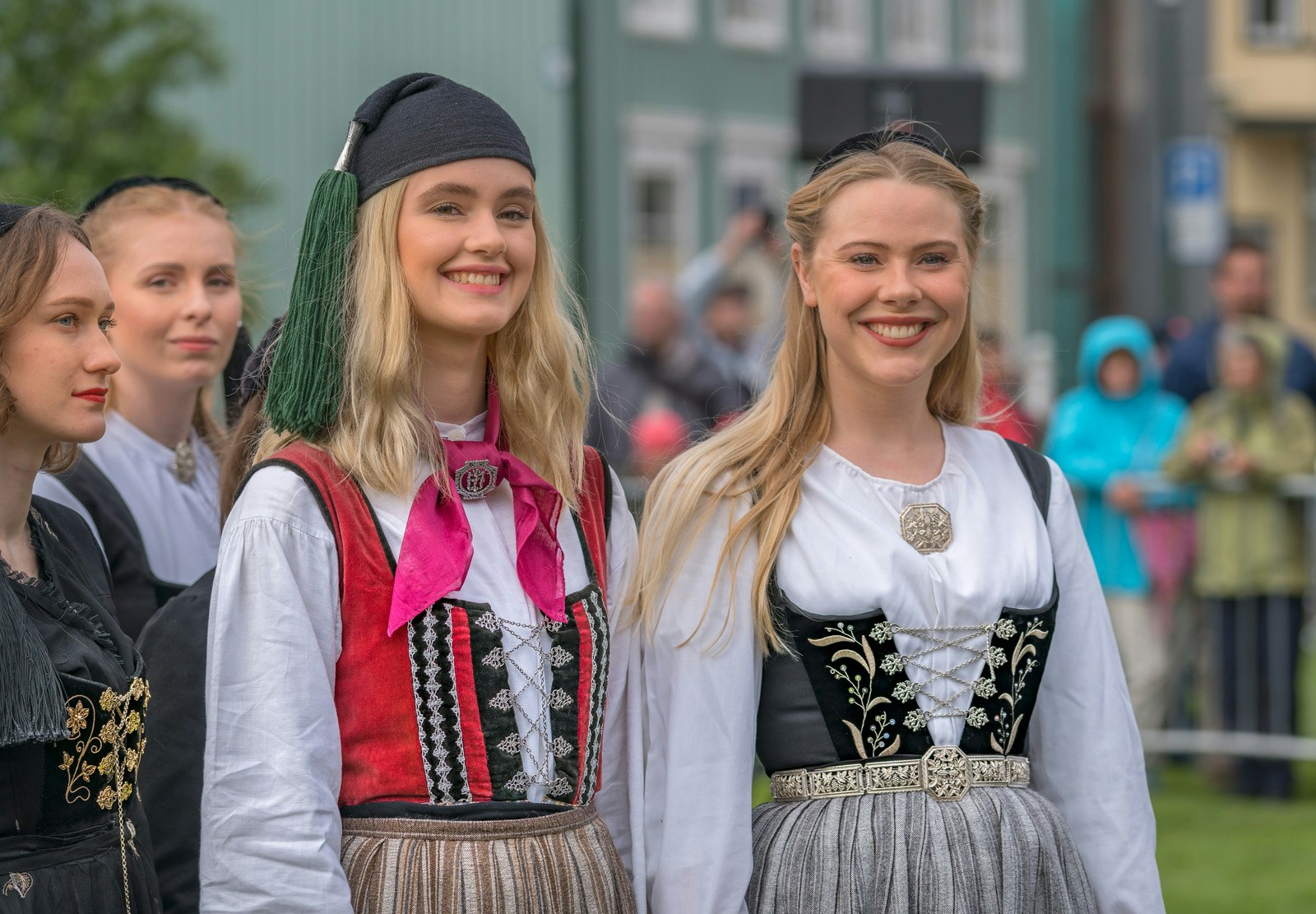
The pace of change has been remarkable, and what makes it notable is that it was broadly shared. Iceland consistently ranks high on life satisfaction, gender equality, environmental quality, and safety. It has a modern welfare system, free public education, and one of the lowest crime rates in the world.
That sense of community has deep roots. Iceland's first settlers arrived in the late 9th century on a remote, wind-swept island with no indigenous population and had to work together to survive. Extended family networks were not optional; they were essential. That history shaped a society that remains notably non-hierarchical by European standards.
One visible result: it is entirely normal to run into politicians, athletes, or well-known public figures at the local swimming pool, in the grocery store, or picking up their children at daycare. Iceland is not a place where status tends to create distance.
The New in Iceland and Multicultural and Information Centre websites have a lot of information that is useful for new residents.
Icelandic language
The tie that binds.
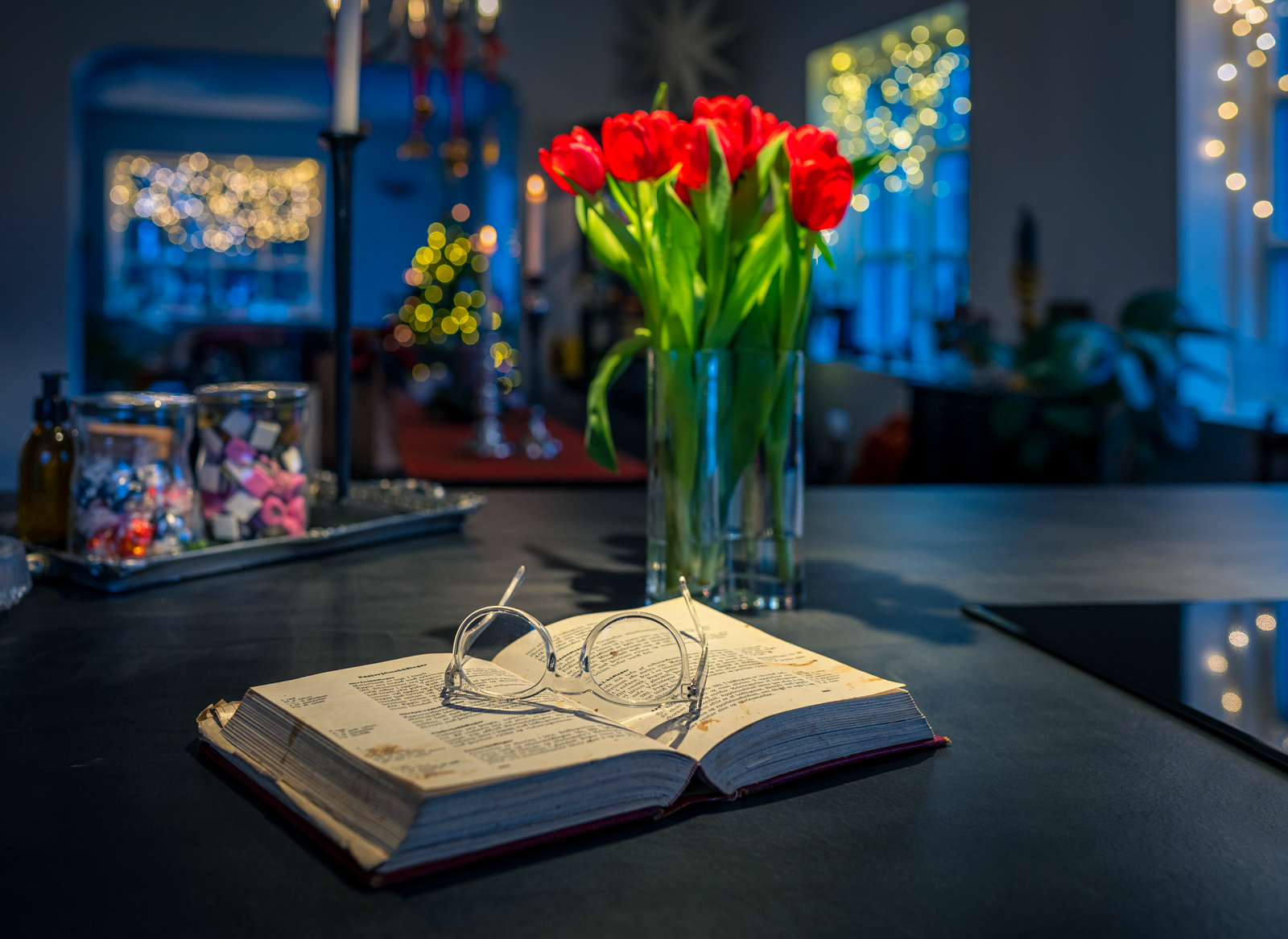
Icelanders will tell you they still speak the language of the Vikings, and they are not wrong. Icelandic has changed remarkably little over a thousand years and remains the country's official language and a central part of its cultural identity.
In practice, nearly all Icelanders speak English fluently, and many speak additional languages. This makes day-to-day life considerably easier for international arrivals.
That said, learning Icelandic matters. Most workplaces operate in Icelandic, and knowing the language opens doors socially and professionally. It is not an easy language: it is Germanic, with gendered nouns and complex declensions. But it is more approachable than its reputation suggests.
Icelandic is also actively protected. A dedicated language committee coins new Icelandic words rather than adopting foreign terms. The word for "computer," for example, is tölva, which roughly translates as "number prophetess."
One thing to be aware of: because Icelanders rarely hear their language spoken with a foreign accent, they can sometimes struggle to follow non-native speakers at first. Patience on both sides goes a long way.
A quick online search of "learning Icelandic" will reveal current options for you.