Five good reasons to live in Iceland
5 good reasons to live in Iceland
There are countless reasons why Iceland is a wonderful place to live. Here are the best of the best (we think!)
1. Safe and clean
One detail that tends to surprise visitors is seeing strollers parked outside cafes and shops, babies sleeping peacefully inside while parents step in for coffee. It is a small but telling sign of how safe Iceland is.
Iceland has ranked first on the Global Peace Index every year since the index launched in 2008. The crime rate is low, police do not carry firearms, and children routinely play outside unsupervised. Iceland is also the only NATO member without a standing military.
The environment reflects the same care. Following the oil crises of the 1970s, Iceland invested heavily in domestic energy sources. Today, the country runs almost entirely on hydroelectric and geothermal power. That shift has kept Iceland's air, water, and soil remarkably clean. The tap water is some of the freshest you will find anywhere. Average life expectancy sits at around 83 years, supported by clean air, clean water, and a diet rich in fish.
(You may notice a faint sulfur smell from the hot water tap. That is geothermal energy at work.)
2. Equality
Iceland has a strong and long-standing commitment to gender equality, and it shows in everyday life as much as in policy. The country consistently scores at or near the top of the World Economic Forum's Global Gender Gap Index.
Iceland is also broadly inclusive toward LGBTQ+ individuals. Same-sex marriage has been legal since 2010, and same-sex couples have had adoption rights since 2006. Reykjavík Pride, held each August, is one of the country's most popular annual events. The midwinter Reykjavík Rainbow Winter Pride is another well-attended celebration. Iceland's first openly gay prime minister, Jóhanna Sigurðardóttir, served from 2009 to 2013, making her the first openly gay head of government in modern political history.
3. Nature within easy reach
Wherever you are in Iceland, the outdoors is close. Twenty minutes from central Reykjavík, you can hike in the mountains or walk along a quiet stretch of coastline. Trails for hiking and cycling, horseback riding routes, golf courses, and even surf spots are all accessible without a long drive.
The long summer days make it easy to get outside after work. In winter, cross-country and downhill skiing are within reach of most towns, and the northern lights are visible from across the country on clear nights.
For ideas and inspiration, Visit Iceland is a good starting point.
4. Community and Culture
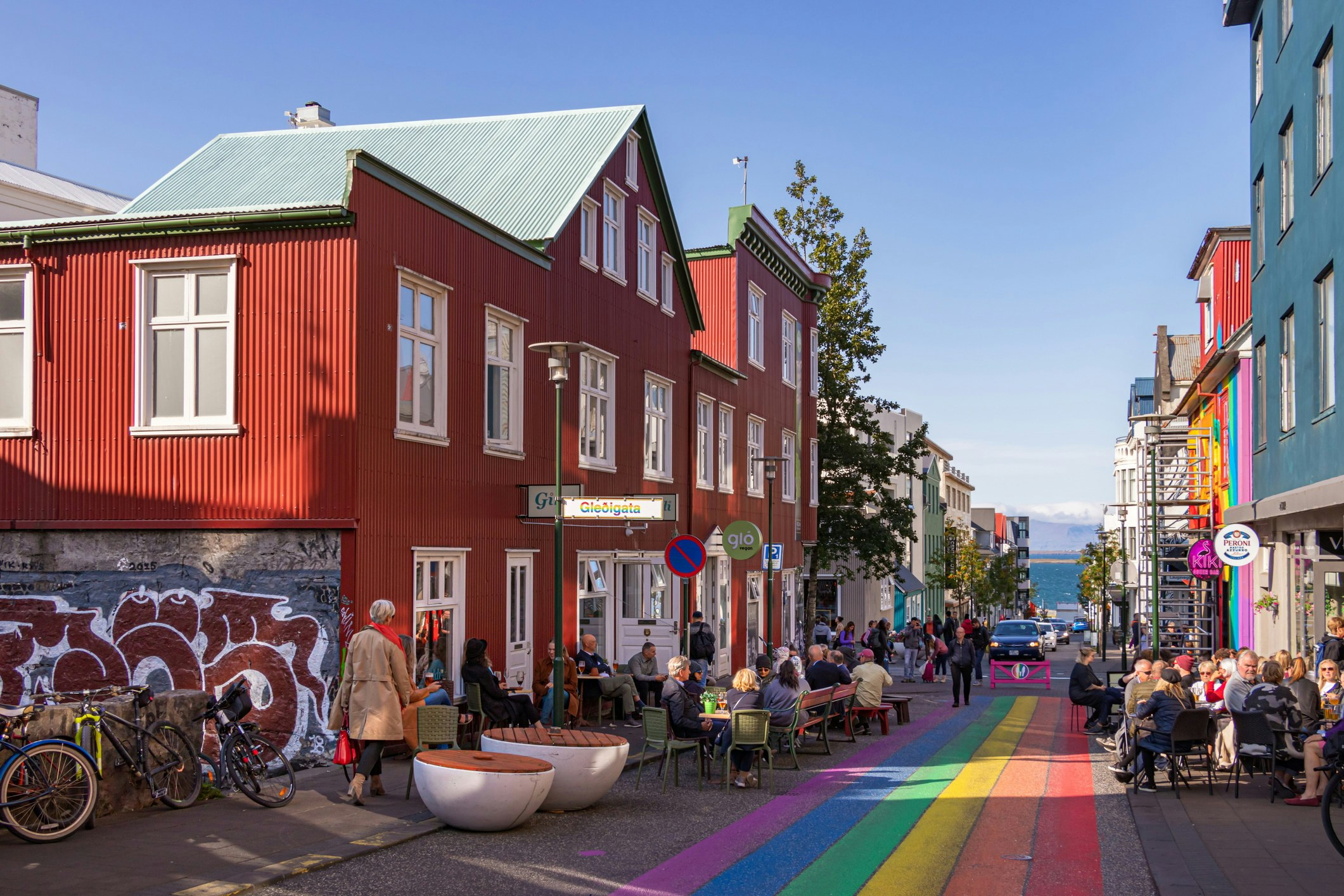
Iceland has a small population and a genuine sense of community. Even Reykjavík, the largest city, has a walkable downtown and a relaxed pace that makes it feel approachable. The city blends older architecture with newer buildings and has a lively arts and music scene that punches well above its size.
Reykjavík is also known for its nightlife and for a food scene that has developed significantly over the past decade. Music and arts festivals take place throughout the year, across the country.
5. Affordable healthcare and education
After living in Iceland legally for six months, you will become part of the Icelandic Health Insurance system. Monthly out-of-pocket costs are capped, and coverage includes doctor's visits, physiotherapy, specialist treatment, scans, and hospital stays. Pregnancy check-ups and childbirth are free of charge.
Education in Iceland is affordable and accessible. Public schooling from primary through secondary level is free. Subsidized daycare is available for children from age two, making it easier for both parents to remain in the workforce. After-school programs for younger children are available at a modest additional cost.
Note: Healthcare cost figures are subject to change. For the most current information, check with Iceland Health (Sjúkratryggingar Íslands).